Uncategorized, World Religions
  No Comments
 After the Fire

On the morning of May 1, I take everyone outside to wipe a bit of dew off the grass to wash our eyelids so we can’t be fooled by glamours and lying images in the year to come. I pick lilacs and iris and tulips to put explosions of color and scent on every surface in my home. I plan the bright outfit I’ll wear to the May Day Parade with its fantastical puppets and papier-mâché expressions of hope and love. I light candles to celebrate the fertile fire festival of Beltane.
On the morning of October 31, I run around to procure the last elements of our Halloween costumes. I kick through the fallen leaves, whether they’re crisp and fragrant or sodden with rain and melted snow. I luxuriate in the jewel tones of mums and pumpkins and Indian corn, the burnt-dust whoosh of the furnace first kicking on in the autumn dark. I light candles to welcome the ancestors to the fragile dangerous festival of Samhain.

This year, absolutely none of this applies. Samhain is May Day Eve. The ferns and palms and conifers keep the hillsides’ emerald glow. No snap of frost threatens the extravagant pink hibiscus flowers. My body and spirit are deeply disoriented by this particular inversion of the Wheel of the Year.
There is mourning to be done this year, though. I need this Samhain to process and let go. Because the last boxes have arrived, and we finally know the scale of what we left behind and what we lost in the act of moving around the world.
The process of unburdening ourselves of possessions was incredibly difficult. Decision fatigue became decision burnout became decision trauma. I fantasized about lighting a match and throwing it into the house, turning all those decisions into cinders. It helped to see beloved things go into the hands of friends who recognized them as the treasures they are. It helped to see useful things go to places in my neighborhood where they’d be taken by people who needed and appreciated them. But getting rid of things was getting rid of possible futures, investing all that potential into a single uncertain path.
We catalogued and photographed and shrinkwrapped ninety-some boxes and pieces of small furniture. It seemed impossible that it should be so many. It seemed impossible that it could be so few.
Some boxes go straight into storage, full of papers and mementos worth keeping as a shared history. A few boxes of utensils and coffee mugs to be familiar on the new shelves. Seventy percent of the boxes are books and games, though, not just ones we want to read and play, but ones we want in the library that tells the story of what we think is important. I look at things and wonder why on earth we thought this deserved precious, limited space. Some things get a little surge of excitement and gratitude that they made the cut in those moments of frenzied elimination.
There’s pain too, though. Pain for the things that won’t ever arrive. Things it was too difficult or impractical or replaceable to justify bringing. Things we were certain we’d brought, things we would never have willingly left behind, things that are just gone without a trace. They’re as gone as they would’ve been if I’d tossed in that match.
As far as we can tell, only two things were destroyed, two blue-and-white-striped bowls I brought home from my year in France and moved safely through all the changes since. Ironically, they weren’t broken in shipping; one of my son’s hands slipped, bobbling them into a hard landing beyond the tolerance of the bubble wrap here in our new home.
Whether it was Beltane or Samhain, I’d be lighting candles tonight. I’ll do it by lighting matches the way I’d fantasized in our traumatic departure from the things and people and seasons of the familiar North. I’ll try to embrace the confusion and vertigo of this most unbalanced turn of the year’s wheel. I need to accept that the light of the bonfire only reaches so far into the deepening dark, and straining my eyes and asking questions can’t reveal where things end up beyond the veil.
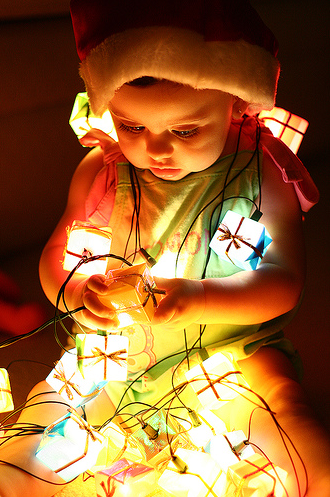 Almost every good and wonderful thing about the winter holidays is a sensory delight. The smells of cold snow and freshly cut pine and butter-rich cookies tingle in our noses. Pipe organs and French horns and jingly bells and heavenly choirs and crinkly paper delight our ears with musical sounds rarely used in the rest of the year. Velvety and satiny fabrics combine with delightfully scratchy sweaters and fuzzy hats in our special party clothes. We write ourselves dietary hall passes for the dozens of special, luscious holiday foods. And the lights…oh, the lights! Who doesn’t gasp and crane at the sight of an elaborately decorated building or brilliantly lit tree?

 I cringe as soon as I hear the bell ringing in front of the grocery store. My kids are primed to be generous, and immediately pester me for pocket change to put in the red bucket. I tell them “no” quietly and, to head off the inevitable “why” that follows, say, “They don’t believe they have to help everyone who comes to them in need, and I don’t want to support that.” I fast-walk the boys into the store and give the bellringer a tight smile.

 I absolutely adore Halloween. I’ve been known to skip down store aisles singing “It’s the most…wonderful time…of the year!” at the first sight of skulls and crows. I collect Halloween socks and wear them all year round. I buy gothic lanterns and creepy wall hangings and ghoulish tea towels on clearance for everyday use.
 Celebrated by many ancient agrarian cultures as a cross between New Year’s and Memorial Day, Samhain acknowledges the conclusion of the harvest, the closing down of the earth in preparation for winter, and the liminality of beginnings and endings that allows us to perceive how thin the veils are that separate us from unseen worlds around us. The costumes and the lanterns play games with concepts of finding and evading spirits passing from one state of being to the next. Even trick-0r-treating, often maligned as turning kids into greedy monsters with eroding teeth and manners, reminds us of our obligations of hospitality and the sweetness of welcome on a cold night.
 Finally, it can be fun to teach kids about


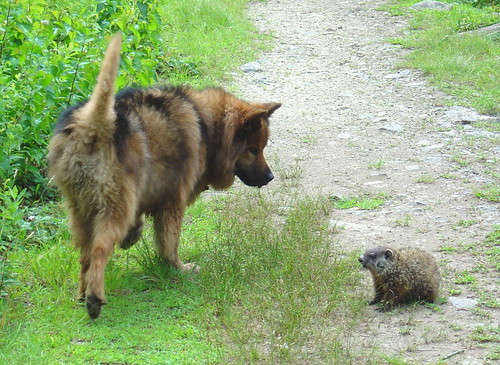




 The groundhogs’ displeasure was communicated to me. Sacrifices were made, appeasements were offered, and the Great Groundhog Spirit communed with mine. And they visited their displeasure on the Valentine-mobile no more.